

Why should I choose Sleep Apnea Treatment?
In the short term, sleep apnea can lead to excessive drowsiness and disrupted sleep. Over time, however, it can increase your risk of serious conditions like heart disease and strokes. Seeking treatment will help you breathe properly, enjoy restful sleep, and take charge of your overall health.
Health Risks Associated with Sleep Apnea
- Chronic Fatigue: Ongoing daytime tiredness due to poor sleep quality.
- Heart Disease: Elevated risk of heart attacks, high blood pressure, and other cardiovascular issues.
- Stroke Risk: Increased likelihood of experiencing a stroke.
- Diabetes: Greater chance of developing type 2 diabetes.
- Mental Health Issues: Higher risk of depression and anxiety.
Seeking treatment allows you to breathe freely, sleep more soundly, and reduce these health risks.
The Benefits of Sleep Apnea Treatment
Sleep Better, Feel Better
Untreated sleep apnea can lead to poor-quality sleep, leaving you feeling irritable, unfocused, or even drowsy behind the wheel. With the right treatment, you’ll enjoy restful, uninterrupted sleep and wake up refreshed after just 7-8 hours of sleep.
Protect Your Health
Sleep apnea treatment can lower your risk of serious health conditions like headaches, diabetes, heart disease, stroke, and more. By breathing freely throughout the night, you’re giving your body the rest it needs to heal and recharge from the day.
Boost Your Energy
With sleep apnea treatment, you’ll experience more energy and tackle your day with ease. It’ll become easier to stay active, exercise, and even lose weight. Plus, proper treatment can help restore your libido and improve intimacy, as sleep apnea is often linked to reduced sex drive.
Call for a consultation
Ask Questions
Get Answers
Outline Tailored Treatment Plan
See If Treatment Is For You
If you’re struggling with sleep and snoring issues, we’re here for you. Our team can guide you through your options and answer any questions, so you can feel confident about your care.

The Sleep Apnea Treatment Process

Sleep Test And Diagnosis
The first step is scheduling a consultation with Dr. Woodruff to discuss your symptoms and concerns. If you haven’t been diagnosed yet, we can help facilitate an at-home sleep test to assess your condition. If you’ve already been diagnosed with sleep apnea, we will work together to review your treatment options and develop a personalized plan to address your needs.

Treatment Discussion
Treatment options vary based on the severity of your sleep apnea. For mild or moderate cases, an oral appliance works well to improve your sleep apnea. More severe cases may require solutions like a CPAP machine or even oral surgery to remove excess tissue. Your sleep specialist will guide you through the best treatment for your needs.

Partnering with Your Dentist
If your treatment involves a retainer, orthodontics, or surgery, our team is here to assist. We’ll collaborate with your sleep specialist to ensure you receive the best care and support for managing your sleep apnea effectively.
What makes us different

Custom mandibular advancement device
For patients with sleep apnea or chronic snoring, a mandibular advancement device can be a comfortable, effective alternative to CPAP therapy. Designed specifically for your bite and comfort, it supports better airflow so you can breathe easier and wake up feeling more rested.

At-Home Sleep Testing
Has a loved one told you that you have a snoring problem? Or maybe you feel groggy and tired even after a full-night's sleep? We offer at-home sleep testing to help uncover if sleep apnea could be causing you to miss out on much-needed rest.

Custom Night Guards For Better, Healthier Sleep
Dealing with sleep apnea? A custom oral appliance can move your jaw into a healthier position for less snoring and more sleeping.
FAQs
Frequently Asked Questions
Check out these frequently asked questions, or call us to speak with our team.
Oral Appliance Therapy (OAT) involves wearing a custom-made mouthguard while you sleep. This device gently shifts your jaw to keep your airway open, preventing oral tissue from blocking your airflow. As a result, your breathing remains uninterrupted throughout the night. OAT is most effective for patients with mild to moderate sleep apnea.
Along with professional treatments, your sleep specialist and dentist may suggest lifestyle changes to help manage sleep apnea. These could include quitting smoking, exercising, losing weight, avoiding alcohol and drugs (especially before bed), and sleeping on your side rather than your back or stomach.
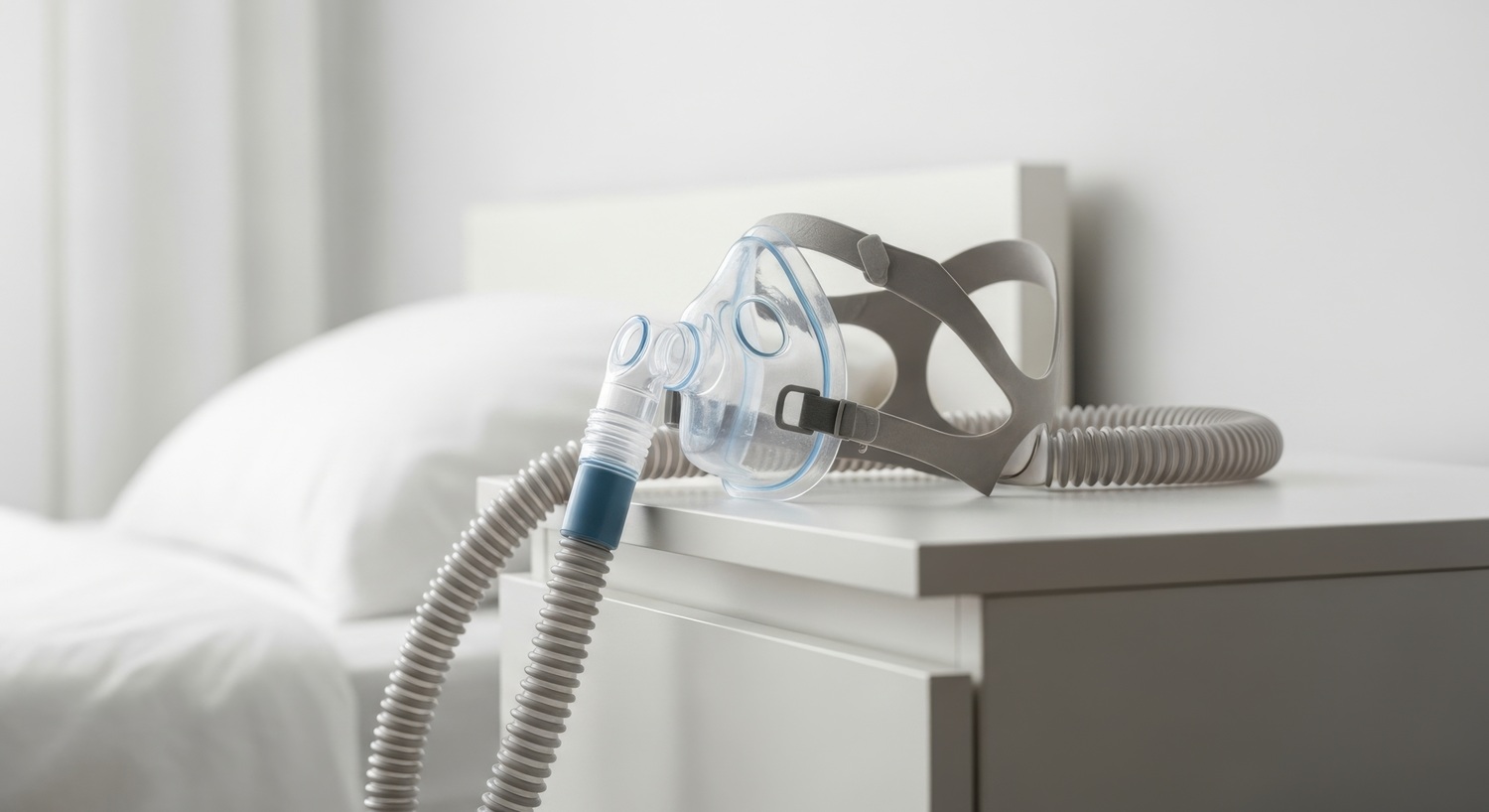
CPAP, or Continuous Positive Airway Pressure, is a machine that delivers a steady stream of pressurized air through a mask while you sleep. This air prevents your airway from collapsing, stopping sleep apnea episodes. CPAP is typically recommended for patients with more severe cases of sleep apnea.

