
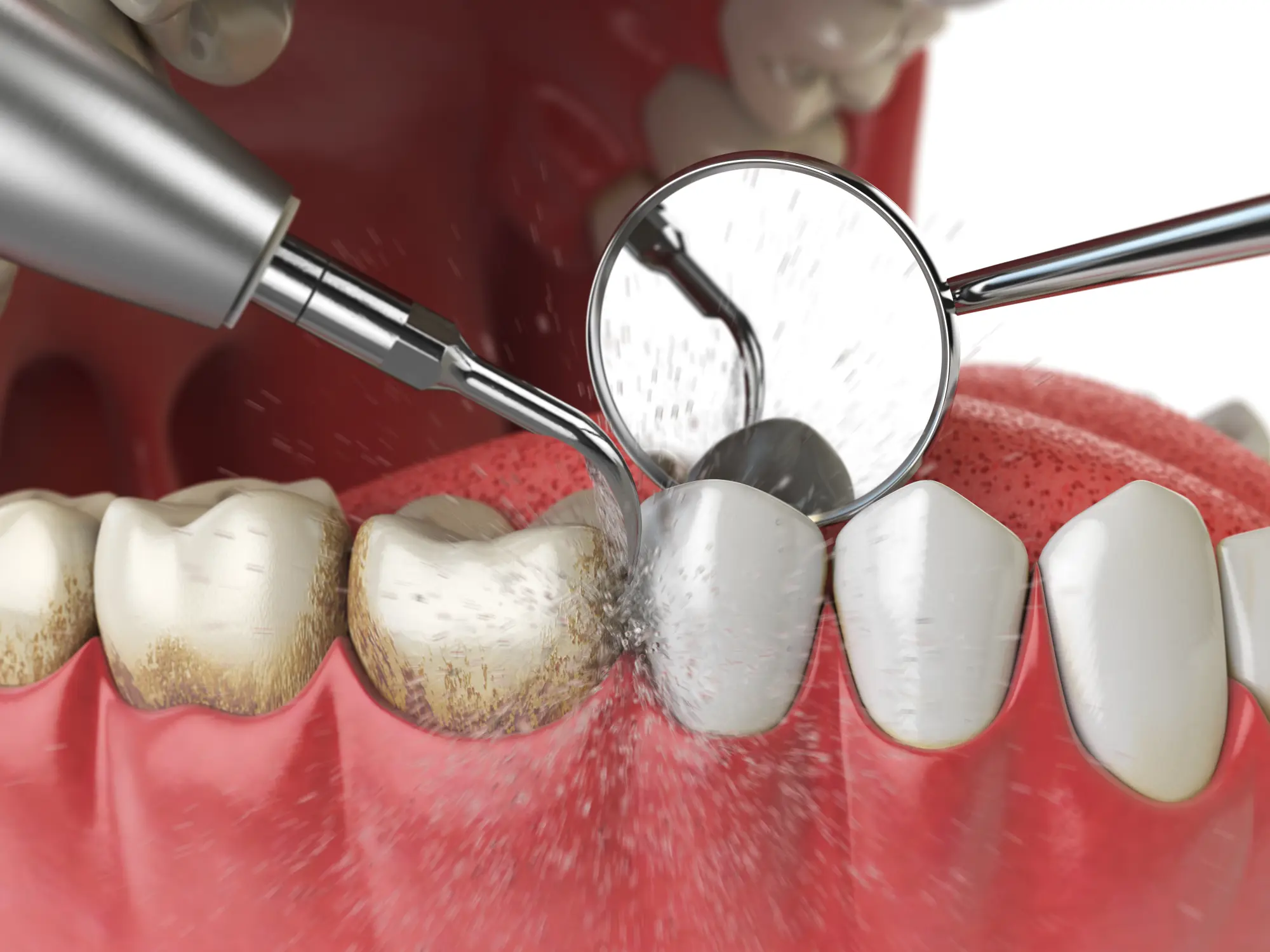
Can Deep Cleanings Prevent Permanent Tooth Loss?
Protecting your smile is about more than just looking good. It’s about your overall health and well-being, too. For many patients, the fear of tooth loss can feel overwhelming, leaving them unsure of the best way to protect their teeth and gums.
At Woodruff Family Dental in Peoria, AZ, we often hear questions about whether deep cleanings can help prevent permanent tooth loss. The good news? Deep cleanings, also called scaling and root planing, are one of the most effective ways to safeguard your dental health and stop gum disease in its tracks.
What Is a Deep Cleaning, and How Is It Different From a Regular Cleaning?
To understand how deep cleanings prevent tooth loss, it’s important to know how they differ from routine cleanings. During a standard dental cleaning, surface plaque and tartar are removed from your teeth to help prevent cavities and maintain oral hygiene.
However, for patients with early signs of gum disease (gingivitis) or more severe periodontal disease, a deeper approach is needed. That’s where scaling and root planing come in.
- Scaling: This process involves carefully removing plaque, tartar, and bacteria from below the gumline, where regular brushing and flossing can’t reach. These hidden buildup areas are often the root cause of gum infection and inflammation.
- Root Planing: After scaling, the rough areas on the tooth roots are smoothed out. This makes it harder for bacteria to reattach and helps gums heal and reattach to the teeth.
While regular cleanings focus on prevention, deep cleanings are a more targeted treatment designed to stop gum disease from progressing and causing permanent damage or tooth loss.
How Gum Disease Leads to Tooth Loss
Tooth loss doesn’t start overnight. It’s often the result of untreated gum disease, a condition that affects nearly half of adults over 30, according to the CDC. When harmful bacteria build up under the gums, they cause inflammation and infection. Left unchecked, this can lead to several stages of damage:
- Gums pull away from teeth, creating pockets where bacteria thrive.
- Bone and tissue that support teeth break down due to chronic infection over time, becoming too weak to hold teeth firmly in place.
- Teeth may loosen, shift, fall out entirely, or require tooth extraction by a dentist.
Deep cleanings help break this destructive cycle by eliminating bacteria and infections early, giving your gums and teeth the chance to stay healthy and strong.
Benefits of Deep Cleanings for Long-Term Oral Health
If you’ve been told you need a deep cleaning, you may wonder if it’s worth the time and investment. At Woodruff Family Dental, we often remind our patients that this proactive approach offers benefits beyond just saving your teeth. A deep cleaning can:
- Reduce gum inflammation and bleeding, helping your gums feel healthier.
- Prevent further bone loss, which could otherwise result in costly and invasive procedures like dental implants or dentures.
- Freshen your breath by removing bacteria that cause persistent bad odors.
- Support better overall health since gum disease has been linked to serious conditions like heart disease and diabetes.
Who Might Need a Deep Cleaning?
Not everyone needs a deep cleaning, but it’s often recommended for patients experiencing signs of gum disease, such as:
- Swollen, red, or bleeding gums
- Receding gums or teeth that look longer than before
- Chronic bad breath that doesn’t go away
- Sensitive or loose teeth
If these symptoms sound familiar, scheduling an appointment with Dr. Woodruff can be the first step to restoring your oral health.
What Makes Deep Cleanings at Woodruff Family Dental Different?
At Woodruff Family Dental, we understand that any dental treatment can feel intimidating at first, especially if you’re worried about your dental health or tooth loss. That’s why our approach to care is always focused on what’s best for you. Here’s what makes our process unique:
- One-on-One Care: Dr. Woodruff takes the time to work directly with each patient, explaining every step of the process so you feel completely confident in your treatment plan. You’ll never feel rushed or pressured here.
- State-of-the-Art Techniques: From modern equipment to comfortable procedures, we’re committed to minimizing discomfort and maximizing your results.
- Free Second Opinions: Unsure whether you really need a deep cleaning? We offer free second opinions to help you make informed decisions about your care.
Frequently Asked Questions About Deep Cleanings
Does a deep cleaning hurt?
While everyone’s experience is different, most patients find deep cleanings to be very manageable, especially when using local anesthesia to numb the area. Once healing begins, many notice reduced discomfort and improved gum health.
How long does a deep cleaning take?
Typically, a full deep cleaning is completed over two appointments, with half of your mouth being treated during each visit. This depends on the severity of gum disease and how many teeth need treatment.
What happens after a deep cleaning?
After your procedure, it’s common to experience mild soreness or gum sensitivity for a few days. Dr. Woodruff provides aftercare instructions and suggests follow-up visits to monitor your progress. Regular cleanings and excellent at-home care will be key to maintaining your results.
Take the First Step Toward a Healthier Smile
Deep cleanings are a powerful tool in preventing permanent tooth loss and promoting a lifetime of healthy smiles. If you’re struggling with gum issues or worried about the health of your teeth, don’t wait. Early intervention can make all the difference. At Woodruff Family Dental in Peoria, we’re here to provide honest, compassionate care tailored to your needs.
Ready to protect your smile? Call us today at (623) 486-2640 to schedule your appointment or take advantage of our free second opinions. We look forward to helping you feel confident in your oral health, all while enjoying the personalized attention only a family-owned dental practice can provide.
Recent Blog Posts
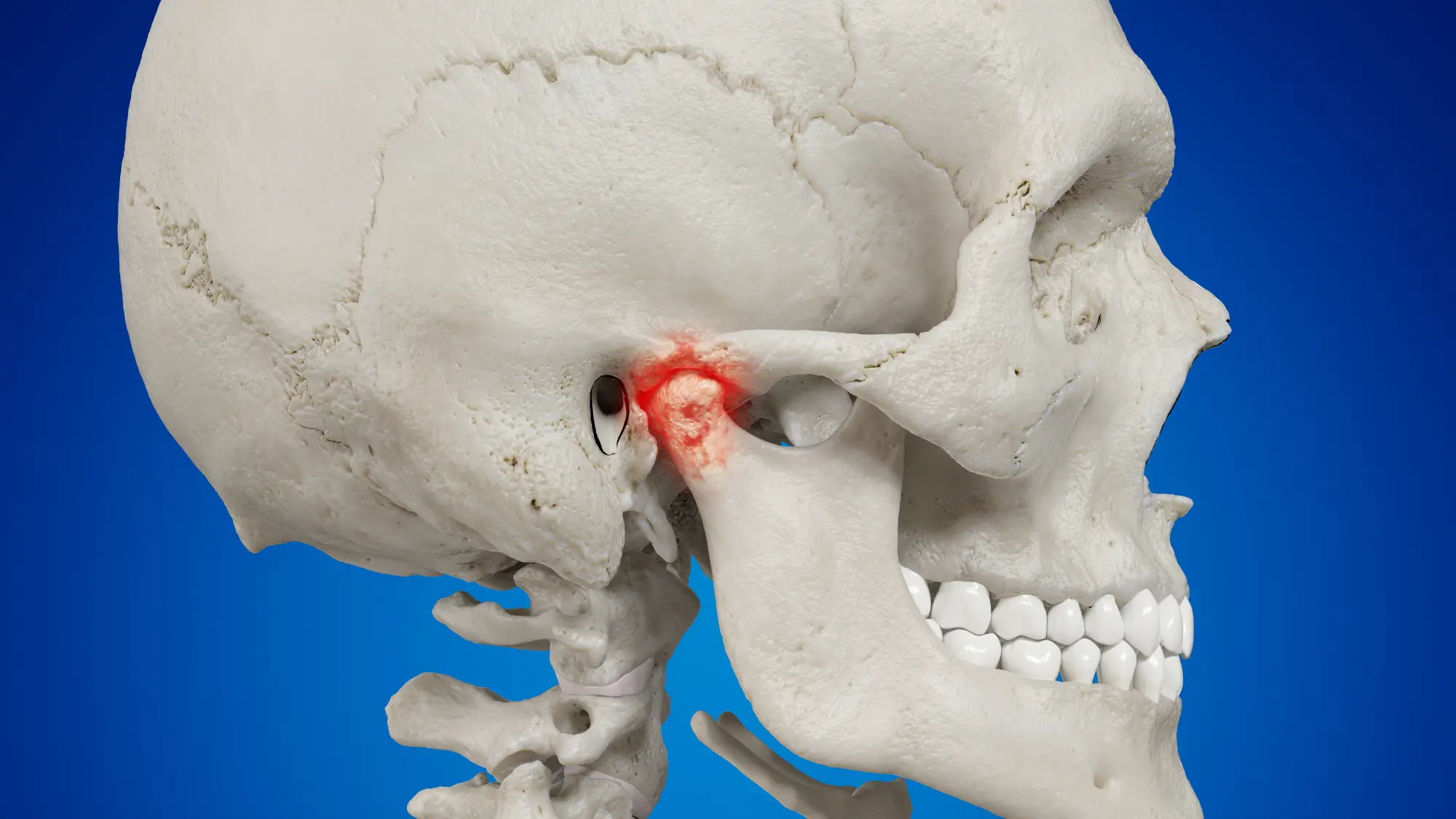
Waking Up with a Headache? It Might Be Your Jaw, Not Your Sleep
Can Deep Cleanings Prevent Permanent Tooth Loss?
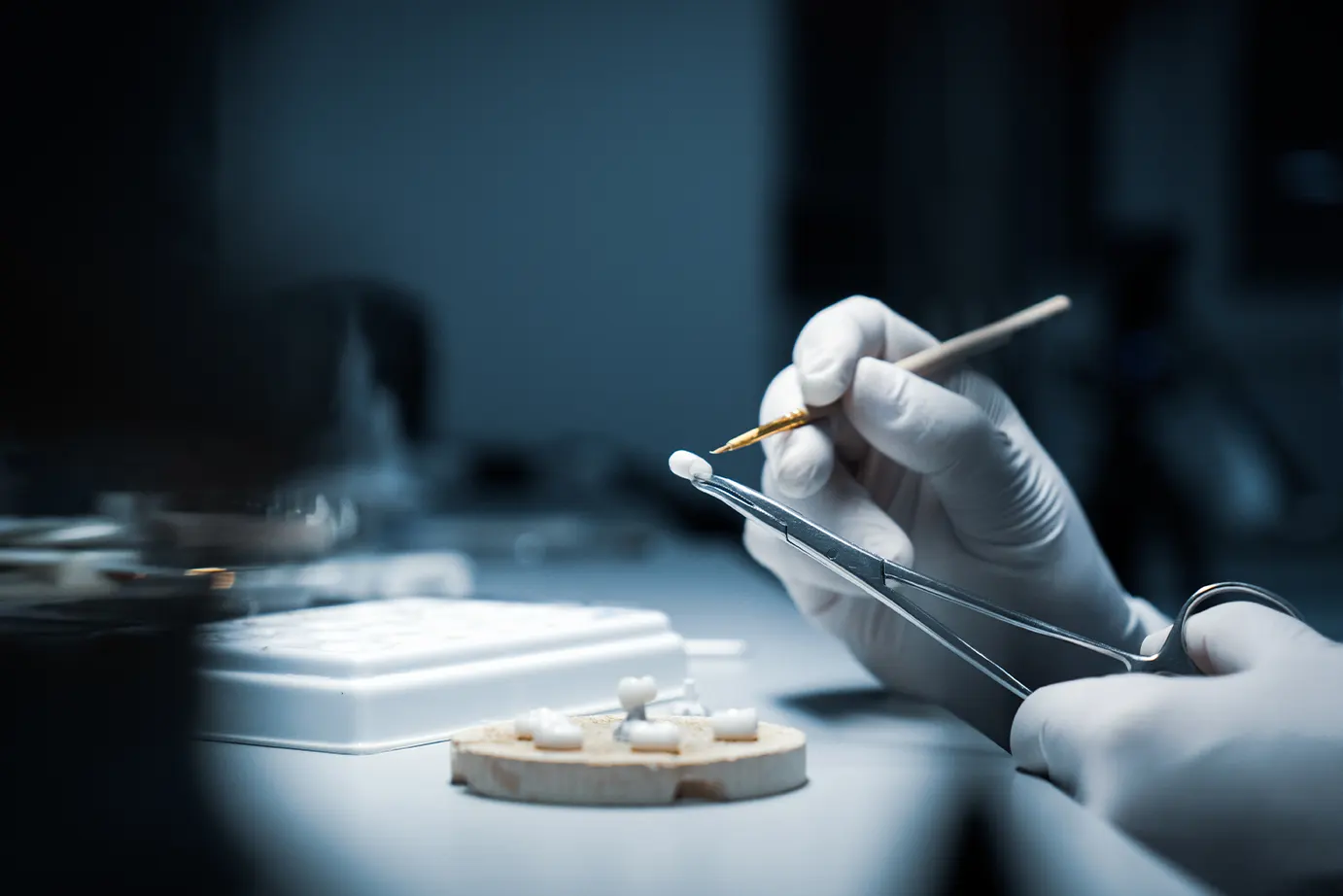
Are Same-Day Crowns as Durable as Lab-Made Crowns?
